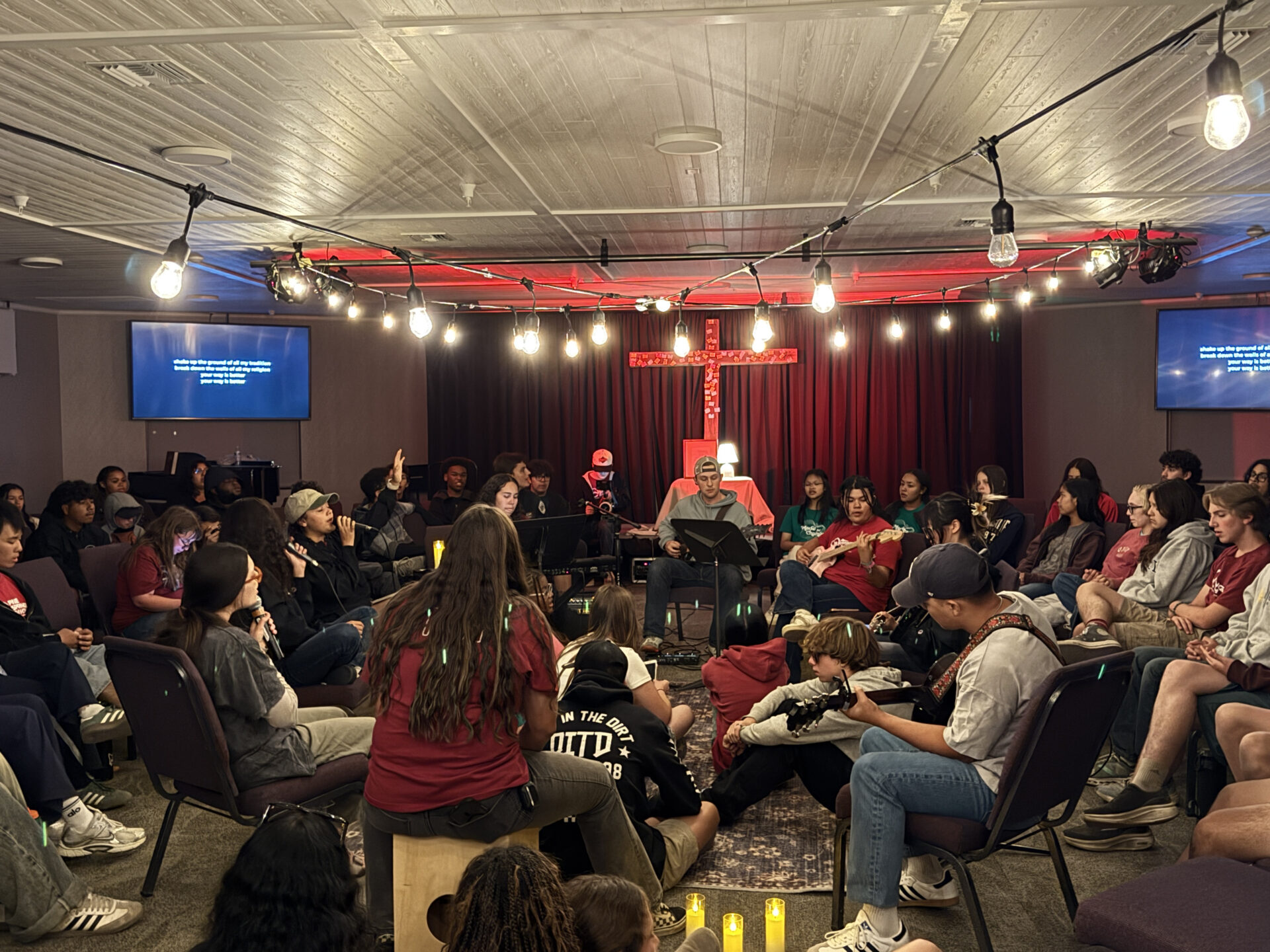
As the summer came to a close, PSR stood out as more than just a camp. Worship had shaped it into a community—one where leaders emerged, relationships deepened, and God’s presence was experienced in everyday moments.
There was something different in the air at Pine Springs Ranch (PSR) this summer, something deeper, quieter, and more powerful than the usual camp buzz. It was worship. Not just the songs sung at morning gatherings or the hands raised during evening vespers, but a spirit of worship that shaped how staff and campers interacted—in the dining hall, during activities, and in the ways they listened, encouraged, and served. This focus on spiritual connection defined each week and led to something beautiful: eighteen baptisms, including fourteen campers and four staff members who publicly declared their commitment to Jesus.
At the center were Jo and Laia Amaya, a husband-and-wife team pursuing Master of Divinity degrees at Andrews University. Having served within the Southeastern California Conference (SECC) before graduate school, they returned with a vision: to cultivate a worship culture that felt authentic, safe, and rooted in relationship.
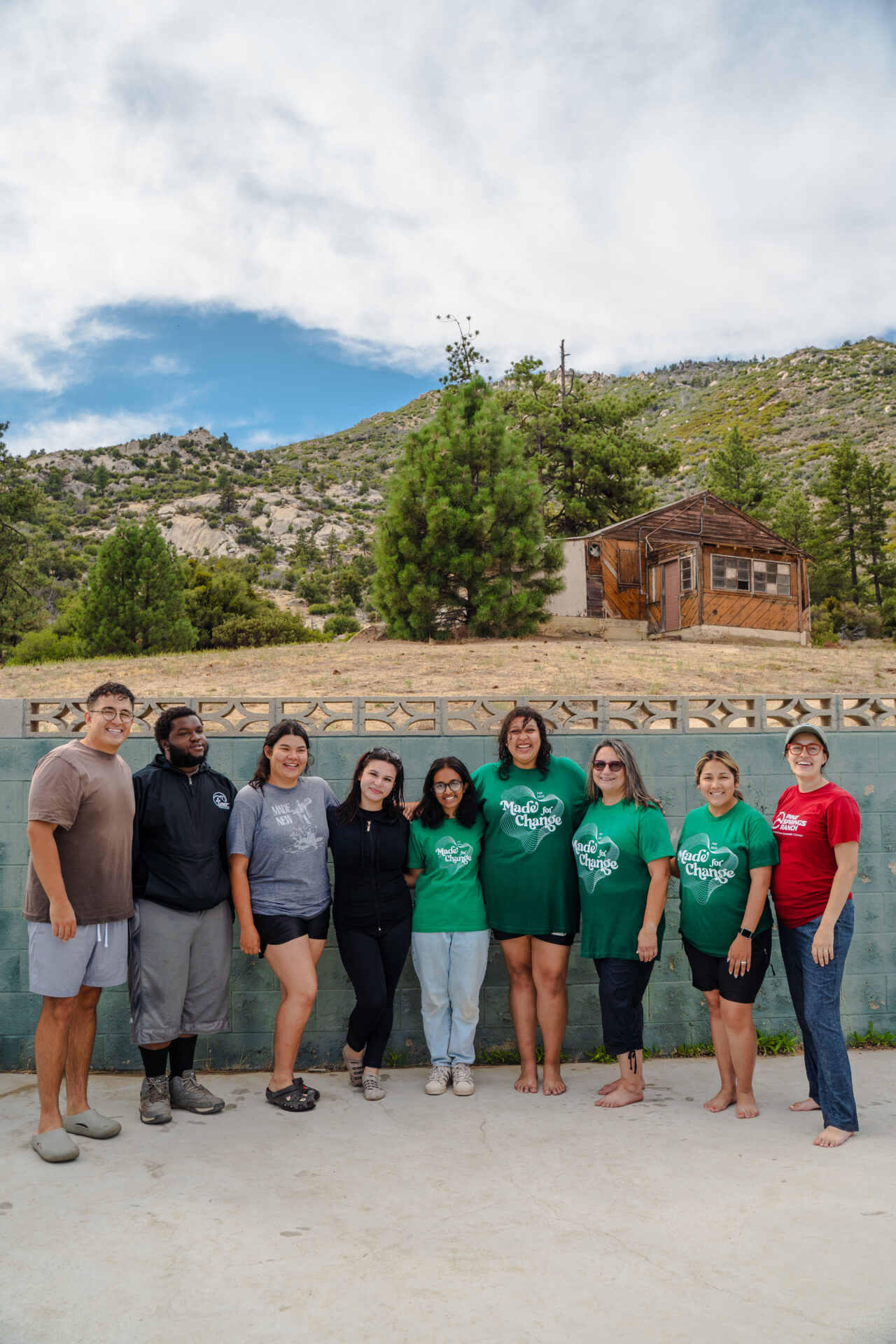
“We didn’t want worship to feel like a performance or a task,” Laia shared. “We wanted it to be a joy—something that made people feel seen and safe.” Instead of assigning worship to busy staff, Jo and Laia led every service themselves, inviting others to join as they felt ready. By midweek, staff and campers who began hesitant to sing were stepping forward as “worship leaders,” a title used to affirm and empower them.
Their style was less about polish and more about presence. Songs were chosen for age groups, sometimes adjusted when participation lagged, but always aimed at building trust and community. “We saw worship as our mission field,” Jo explained. “It wasn’t just about music, it was about how we treated each other.” Even silly or unfamiliar songs became tools for connection—opportunities to sing with friends and grow in faith together.
Angelica Torres, returning as Spiritual Care Coordinator, saw how this reshaped camp culture. “With so many new staff, we had to rebuild from the ground up,” she explained. “Jo and Laia helped us see that worship wasn’t just a slot on the schedule—it became the heart posture of the community.”
By the final day, campers who once sat quietly were leading songs with confidence. Staff who never imagined themselves in spiritual roles guided others in prayer. Arms linked in worship circles became a weekly scene, as once-reluctant voices now asked, “Can we sing that song again?”